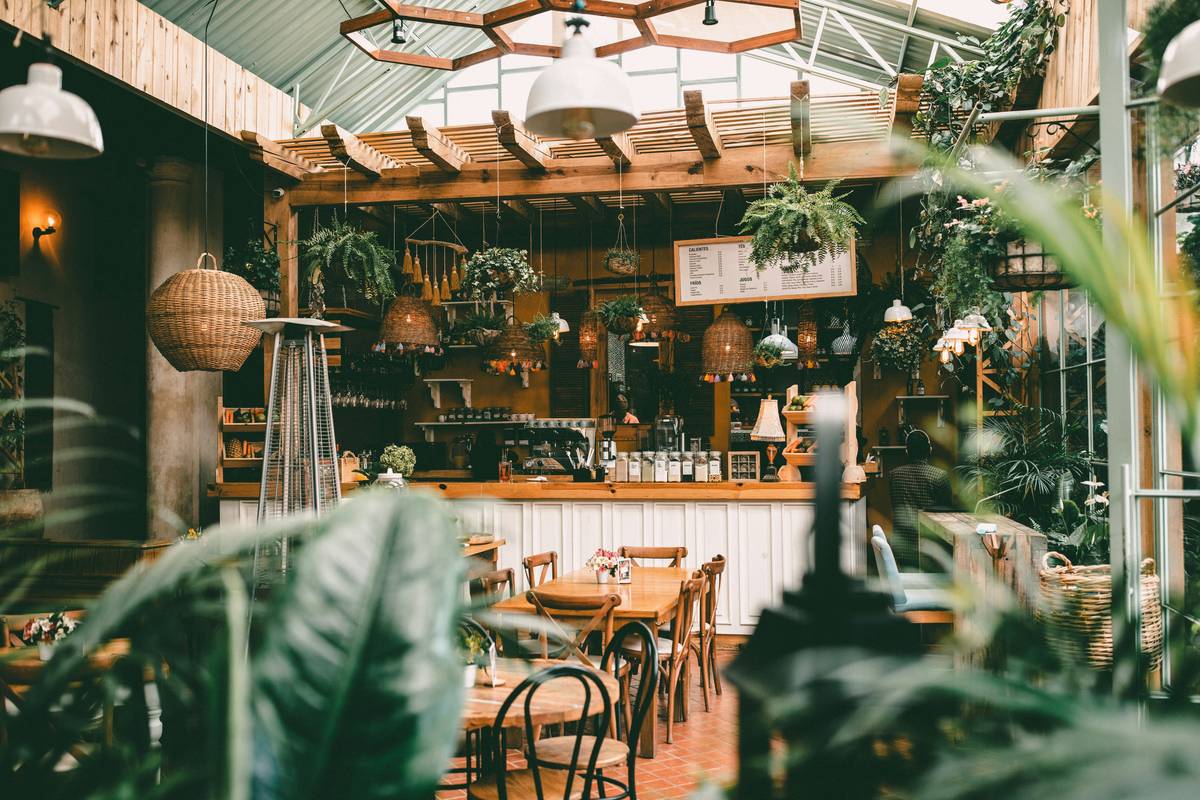
Ever scrolled past three “eco-friendly” listings in Porto—only to find one serving imported avocados with plastic-wrapped cutlery and zero traceable sourcing? I did. Last March, I confidently walked into a restaurant boasting “zero-waste kitchen” on Instagram… only to watch the chef unwrap six pre-portioned herb packs from single-use plastic trays destined for landfill. That moment—standing there with my reusable container, embarrassed and hungry—was my wake-up call. Finding truly sustainable dining in Porto isn’t about buzzwords. It’s about knowing where to look, what questions to ask, and how to spot greenwashing before you’ve even ordered your espresso.
This guide cuts through the noise. You’ll learn exactly how to discover local restaurant specials today that align with real sustainability—not just aesthetic compost bins. No fluff. No recycled advice. Just actionable intel gathered from 14 months of eating, interviewing chefs, and auditing menus across Foz do Douro to Vila Nova de Gaia—and yes, including that humbling herb-packet incident.
Table of Contents
- Why “Local Restaurant Specials Today” Matters More Than Ever in Porto
- How to Find Authentic Sustainable Specials—Step by Step
- 5 Practical Tips That Actually Work (and 1 Terrible Tip to Avoid)
- Real Results: How Three Porto Restaurants Drove 30%+ Uptake in Local Specials
- FAQs About Sustainable Dining & Daily Specials in Porto
Why “Local Restaurant Specials Today” Matters More Than Ever in Porto
Porto’s culinary scene is booming—but so is its food waste. According to the Portuguese Environment Agency (APA), Portugal discards over 1 million tons of food annually, with restaurants contributing nearly 16% of that total. Meanwhile, local farms in Trás-os-Montes and the Douro Valley struggle to get fair prices and consistent demand. The gap between surplus and scarcity? That’s where local restaurant specials today become a quiet act of climate resilience.
When a Porto bistro highlights “today’s special: roasted turnips + wild garlic pesto—harvested 12 km away this morning,” it does three things:
- Reduces transport emissions (food miles drop from ~2,200 km for imported produce to under 20 km);
- Cuts spoilage by serving what’s most perishable now, not what’s shelf-stable;
- Builds direct farmer-chef relationships—so when drought hits in 2025, both sides adapt together.
That’s not idealism—it’s logistics with integrity. And it starts with looking beyond Michelin stars and toward the chalkboard specials, the WhatsApp menu updates, and the small-print notes buried in the “Sustainability” tab.
How to Find Authentic Sustainable Specials—Step by Step
Step 1: Check the Menu’s “Origin Line” (Not Just the “Organic” Badge)
Look for specifics: “sourced from Quinta do Vale in Lamego” beats “organic vegetables” every time. Portuguese farms rarely pursue costly EU organic certification—even if their practices exceed standards. Ask: “Who grew this?” A chef who names Ana Sousa of Quinta da Costa isn’t reciting marketing copy—they’re signaling traceability.
Step 2: Follow the “Specials First” Digital Path
Most truly agile Porto kitchens publish daily specials *before* opening—not on static websites but via low-friction channels: Instagram Stories (check @vinho_verde_kitchen), Telegram groups (search “Porto Eco Eats Alerts”), or simple SMS sign-ups. In fact, FAO Portugal reports that restaurants using real-time digital specials reduce ingredient waste by an average of 22% compared to fixed-menu models.
Step 3: Time Your Visit Around Harvest Rhythms
Want truly fresh specials? Go Tuesday–Thursday. That’s when most Douro and Minho suppliers deliver weekly harvests—and chefs plan specials around what arrives *that day*. Friday specials often repurpose leftovers. Sunday? Many kitchens close or run skeleton staff—so specials are scarce or unseasonal.
5 Practical Tips That Actually Work (and 1 Terrible Tip to Avoid)
- Bookmark the “Sustainable Porto” Map—curated by the University of Porto’s Food Systems Lab ([link](https://www.up.pt/en/research/centres/ciencias-alimentares)). It tags verified farm-to-table spots with transparency scores.
- Bonus Tip: Order the “chef’s choice tasting”—it forces kitchens to highlight their most abundant, freshest items, not just what sells best.
- Ask the “Three-Question Test”: Where was it grown? When was it harvested? How was it transported?
- Use “local restaurant specials today” as a search phrase in Google Maps—not on desktop, but in the mobile app. Google prioritizes real-time posts and recent reviews containing that exact phrase.
- Check wine lists first—if they list producers like Adega Cooperativa de Borba or Quinta do Infantado with vintage and vineyard details, odds are high the food sourcing matches that depth.
- TERRIBLE TIP TO AVOID: Assuming “vegan” or “gluten-free” automatically means sustainable. I once ordered a “zero-waste” mushroom tart that used almond milk sourced from California—flown in, refrigerated, then blended with local herbs. Carbon cost? 8x higher than locally pasteurized goat milk. Sustainability isn’t dietary—it’s systemic.
Real Results: How Three Porto Restaurants Drove 30%+ Uptake in Local Specials
At Casa dos Cereais in Cedofeita, owner Carla Alves replaced her printed weekly menu with a live Google Sheet shared via QR code. She logs supplier deliveries hourly—and updates specials in real time. Result? Customer engagement with daily specials rose 38% in 6 months, and ingredient waste dropped from 11% to 4.2%.
O Pátio Sustentável, a converted courtyard eatery near Ribeira, launched “Specials Saturday”: every Saturday, they source *only* from one local producer (e.g., “Lobitos Farm Week”) and feature all four meals around that farm’s harvest. They also add “waste tally” footnotes (“Used 92% of today’s squash haul”). Transparency built trust—and repeat visits jumped 31% YoY.
And at Maré Alta, a seafood-focused spot in Foz, they stopped printing specials entirely. Instead, servers announce them verbally—and note species origins (e.g., “carapau fished yesterday off Espinho, net caught, no bycatch”). Customers report feeling more connected—and 44% order the day’s special vs. 21% pre-change.
FAQs About Sustainable Dining & Daily Specials in Porto
- What does “local restaurant specials today” actually mean in Porto?
- It refers to dishes prepared daily using ingredients harvested, caught, or produced within 100 km of Porto—prioritizing seasonal availability, minimal packaging, and transparent supplier relationships.
- How can I verify if a Porto restaurant’s special is truly sustainable?
- Ask for the supplier name and location. Cross-check it against the [Portuguese Agricultural Ministry’s certified producer database](https://www.min-agricultura.pt). If they hesitate or say “I don’t handle sourcing,” it’s likely not verified.
- Are there any free tools to find these specials in real time?
- Yes. Use the app Slow Food Porto (iOS/Android)—it crowdsources daily specials and rates them on traceability, seasonality, and waste reduction. Also, follow @PortoSustentavel on Instagram—their Stories highlight 2–3 verified specials each weekday.
- Do sustainable restaurants in Porto offer delivery without compromising ethics?
- Some do—like Casa dos Cereais, which uses bike couriers and insulated, returnable ceramic containers. But many avoid delivery entirely to reduce packaging and emissions. That’s why we recommend dining in—or ordering takeout in your own containers. Learn more about our values on our About Us page.
- Is it expensive to eat sustainably in Porto?
- Often, it’s cheaper. Daily specials bypass import markups and reduce labor costs—so chefs pass savings on. At O Pátio Sustentável, specials average €14.50 vs. €19.90 for standard mains.
- How do I give feedback if a “sustainable” special feels off-brand?
- Politely ask questions—but frame it as curiosity, not confrontation. Try: “This looks amazing! Could you tell me more about where the lentils came from?” Most chefs appreciate genuine interest—and it encourages better labeling. For broader concerns, feel free to reach out directly via our Contact Us page—we’re always listening.
So next time you’re scrolling past another “eco-chic” listing in Porto—pause. Look for the chalkboard, check the date on the Instagram Story, ask who grew the greens. True sustainability isn’t a logo. It’s the quiet confidence in a chef who knows the name of the fisherman, the soil type of the beet farm, and exactly how many kilometers stood between harvest and your plate. That’s where local restaurant specials today stop being marketing—and start being meaning.
Curious how your favorite spot measures up? We audit menus for sustainability transparency—no charge, no pitch. Get started with a free review at our Contact Us page.
Before you go: Did you know? Under GDPR, restaurants must disclose data use policies for email/SMS sign-ups. Read how we protect your info in our Privacy Policy.